
In the realm of sophisticated spirits, Scotch whiskey stands as a paragon of craftsmanship and tradition. This revered drink, steeped in history and artisanal expertise, offers a journey through rich flavors, complex aromas, and unparalleled refinement. In this comprehensive guide, we shall delve into the world of best scotch whiskey, exploring its origins, production processes, and some of the finest examples that every connoisseur should experience.
Table of Contents
The Origins and Heritage of Scotch Whiskey
A Historical Overview
Scotch whiskey, often referred to simply as “Scotch,” has its roots firmly planted in the rugged landscape of Scotland. The earliest records of whiskey production date back to the 15th century, with monks distilling barley-based spirits for medicinal purposes. Over the centuries, the craft evolved, influenced by the country’s diverse climate and geography, which contribute significantly to the distinct characteristics of Scotch.
The Role of Geography
Scotland is divided into several key whiskey-producing regions: Highlands, Lowlands, Speyside, Islay, and Campbeltown. Each region imparts its unique terroir to the whiskey liquor stores online, resulting in a wide spectrum of flavors and styles. For instance, the peaty, smoky notes of Islay whiskies contrast sharply with the lighter, floral tones of Lowland varieties.
The Art of Scotch Whiskey Production
The Ingredients
At its core, Scotch whiskey is made from three essential ingredients: water, barley, and yeast. The quality and source of these ingredients are critical, with many distilleries using pure spring water and locally grown barley to ensure the finest product.
The Malting Process
The journey begins with malting, where barley is soaked in water and allowed to germinate. This process converts the starches in the barley into fermentable sugars. The germinated barley, known as “green malt,” is then dried in a kiln. In regions like Islay, peat is often used during this drying process, infusing the malt with a characteristic smoky flavor.
Mashing and Fermentation
The dried malt is ground into a coarse flour called “grist,” which is mixed with hot water in a large vessel known as a mash tun. This mixture, or “mash,” allows the sugars to dissolve into the water. The resulting sugary liquid, or “wort,” is then transferred to fermentation vessels where yeast is added. Fermentation typically lasts several days, producing a low-alcohol liquid known as “wash.”
Distillation
Distillation is a critical step in the production of Scotch whiskey. The wash is distilled twice in copper pot stills. The first distillation, in a wash still, separates the alcohol from the water and solids, resulting in a liquid called “low wines.” The low wines are then distilled in a spirit still, where the distiller carefully separates the “heads” (volatile compounds) and “tails” (heavier compounds) from the “heart,” which is the desired middle cut used for aging.
Aging in Oak Casks
Scotch whiskey must be aged in oak casks for a minimum of three years to legally be called “Scotch.” However, many of the finest expressions are aged for much longer, often 12, 18, or even 25 years. The type of oak and previous contents of the cask (such as sherry or bourbon) play a significant role in shaping the whiskey’s final flavor profile.
Tasting and Appreciating Scotch Whiskey
The Five Key Regions
Highlands: Known for their diversity, Highland whiskies range from rich and robust to light and floral. Notable distilleries include Glenmorangie and Dalmore.
Lowlands: These whiskies are typically lighter and more delicate, often with grassy and floral notes. Auchentoshan is a prime example.
Speyside: Home to the largest distilleries, Speyside whiskies are known for their sweetness and complexity. Glenfiddich and Macallan are iconic Speyside brands.
Islay: Famous for their peaty, smoky whiskies, Islay distilleries like Laphroaig and Ardbeg produce bold, distinctive spirits.
Campbeltown: Once a bustling whiskey hub, Campbeltown now has a few surviving distilleries known for their unique maritime character, such as Springbank.
Tasting Notes
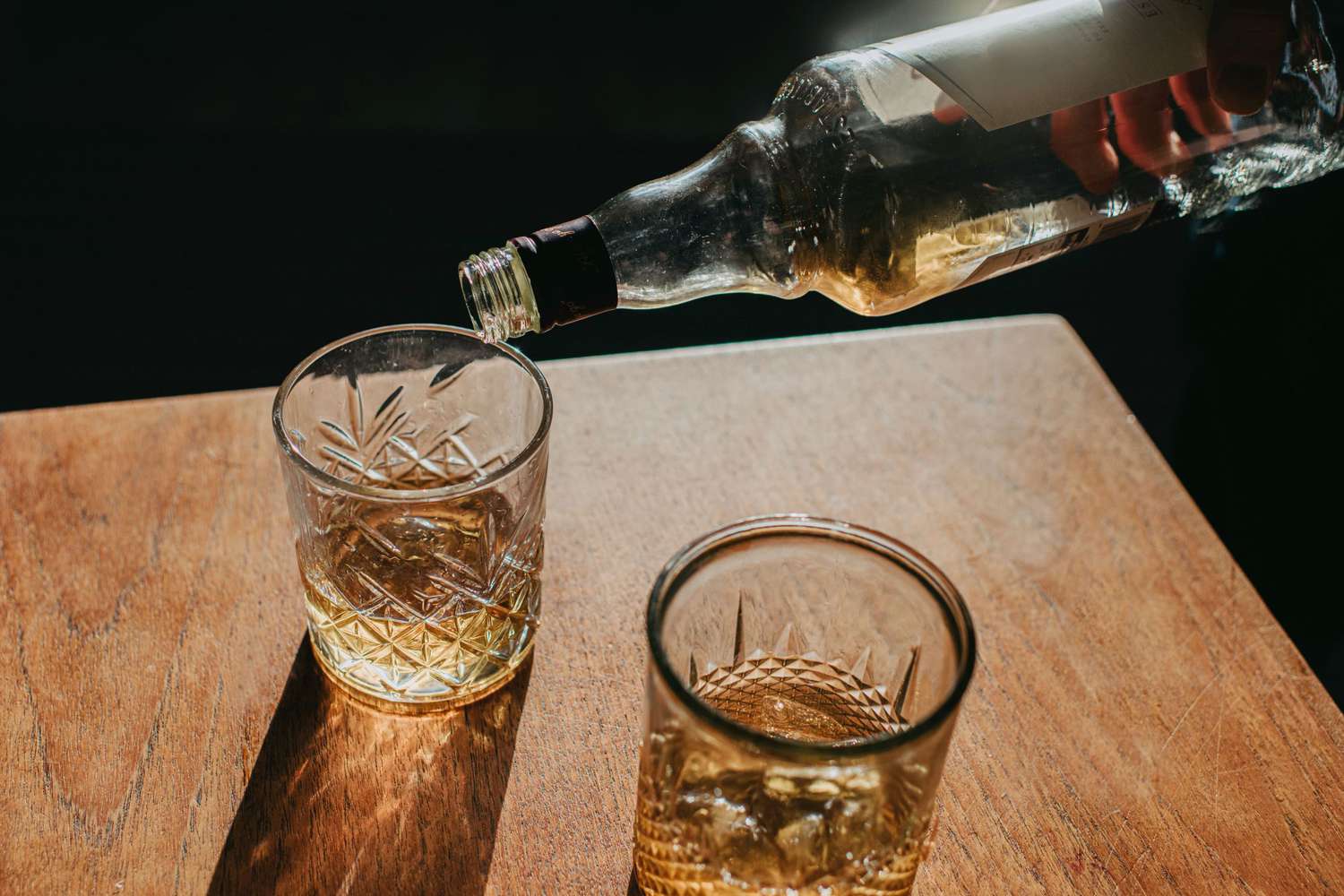
When tasting Scotch whiskey, it’s essential to engage all your senses. Begin by observing the color, which can range from pale gold to deep amber, indicating the type and age of the cask used. Swirl the whiskey gently in the glass to release its aromas. Inhale deeply to detect the various scents, from fruity and floral to smoky and spicy.
Take a small sip and let it roll over your tongue, noting the initial flavors and how they evolve. Pay attention to the finish – the lingering taste that remains after swallowing. A long, complex finish is often a hallmark of a high-quality Scotch.
Noteworthy Scotch Whiskeys
Lagavulin Scotch Single Malt 16 Year Whisky 750ml
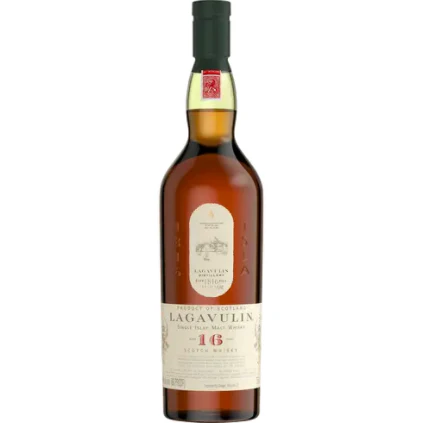
The Lagavulin Scotch Single Malt 16 Year Whisky, presented in a 750ml bottle, is an exceptional representation of Islay’s renowned whiskey tradition. This distinguished single malt is celebrated worldwide for its profound depth of flavor and meticulously crafted profile, making it a staple in the collection of any true whiskey connoisseur. Pouring a glass of Lagavulin 16 Year Old reveals a mesmerizing deep amber color, indicative of its long maturation in oak casks. The rich hue hints at the complexity and intensity of flavors waiting to be discovered.
Chivas Regal 12 Year Old Whisky 750ml
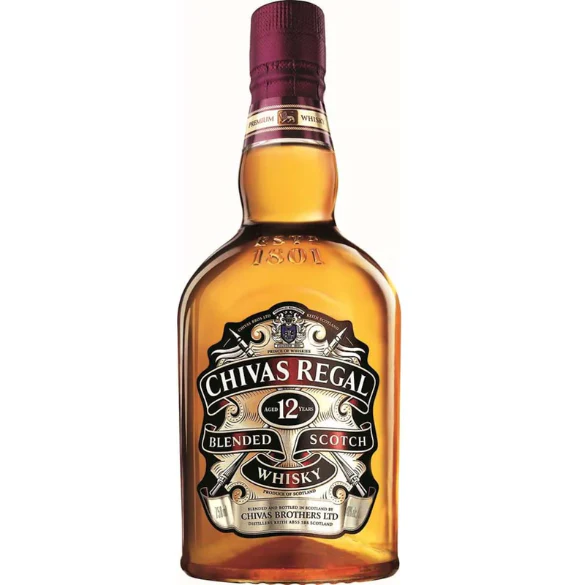
Chivas Regal 12 Year Old Whisky is a distinguished blend crafted with the expertise of over two centuries. This 750ml bottle encapsulates a rich history and tradition, delivering a smooth and sophisticated experience.
Aged for 12 years, this premium Scotch whisky combines the finest malt and grain whiskies, resulting in a harmonious blend that is both balanced and complex. On the nose, it offers an enticing bouquet of wild herbs, heather, honey, and orchard fruits. The palate is a delightful symphony of creamy vanilla, rich honey, and ripe apple, with subtle notes of caramel and hazelnut. The finish is long, smooth, and lingering, leaving a warm, satisfying aftertaste.
Johnnie Walker Blue Label Blended Scotch Whisky 750ml
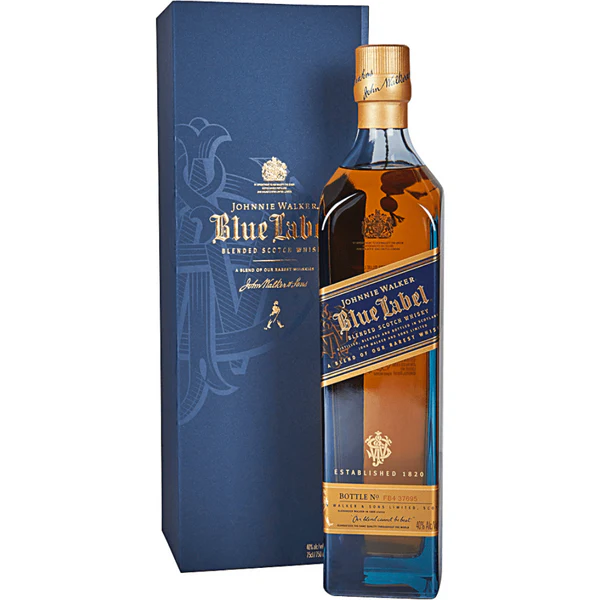
Johnnie Walker Blue Label Blended Scotch Whisky is the pinnacle of the Johnnie Walker range, offering a luxurious and exquisite drinking experience. This 750ml bottle is a celebration of the art of blending, meticulously crafted from some of Scotland’s rarest and most exceptional whiskies.
The nose reveals an extraordinary depth, with rich layers of dried fruits, citrus, and hints of spice, followed by a whisper of smoke. On the palate, this whisky is velvety smooth, showcasing a symphony of flavors including hazelnut, honey, sherry, and dark chocolate. The complexity is further enhanced by a subtle smokiness and a touch of sweetness. The finish is long, lingering, and satisfyingly smooth, leaving a gentle smokiness and a hint of pepper on the tongue.
FAQs
Q: What topics does the book cover?
A: The book covers a wide range of topics, including the history of Scotch whiskey, the different types of Scotch (single malt, blended, grain, etc.), production processes, tasting notes, and detailed reviews of various Scotch whiskeys. It also includes tips on how to properly taste and enjoy Scotch whiskey.
Q: Does the book include information on how to pair Scotch whiskey with food?
A: Yes, the book provides suggestions on food pairings to enhance the experience of enjoying Scotch whiskey, highlighting how different flavors can complement and elevate each other.
Q: Are there any recommendations for collectors?
A: Absolutely. The Connoisseur’s Handbook includes a section on collecting Scotch whiskey, offering advice on what to look for in collectible bottles, how to store them, and the potential value of rare whiskies.
Q: Does the book feature any distilleries?
A: Yes, the book highlights some of the most renowned Scotch whiskey distilleries, providing background information and insights into their unique production methods and signature styles.
Q: Are there tasting notes included for each whiskey?
A: Detailed tasting notes are provided for each reviewed whiskey, including descriptions of the nose, palate, and finish, to help readers understand and appreciate the nuances of different Scotch whiskeys.
Conclusion
Exploring the world of Scotch whiskey is a journey through history, craftsmanship, and sensory delight. Each bottle tells a story, from the rugged landscapes of Scotland to the skilled hands that crafted it. Whether you’re a seasoned aficionado or a curious newcomer, the finest Scotch whiskeys offer a rich tapestry of flavors and experiences waiting to be discovered.