
In the industrial sector, part marking plays a crucial role in ensuring the traceability, identification, and integrity of products. From manufacturing components to heavy machinery, engraving methods are vital for labelling, product differentiation, and compliance with regulations. This article explores the best methods used in industrial applications, focusing on their importance, benefits, and the variety of technologies available in the industry.
Table of Contents
- What is Part Marking?
- Importance of Part Marking in Industrial Applications
- Types of Part Marking Methods
- Choosing the Right Engraving Method
- Benefits of Effective Part Marking
- Future Trends in Engraving Technology
- Conclusion
- FAQs:
- What is the most durable part marking method?
- Can part marking be done on all materials?
- How do I choose the best engraving method?
- Are part markings permanent?
- How do industrial marking products enhance efficiency?
- What industries benefit the most from engraving?
- Is engraving cost-effective for small manufacturers?
- FAQs:
What is Part Marking?
Part marking is the process of applying permanent or semi-permanent identifiers on products or components to distinguish them from one another. These identifiers can be numbers, text, logos, or barcodes that are etched, engraved, or printed onto the surface of the part. These engravings serve various purposes such as product identification, inventory tracking, quality control, and regulatory compliance. Industrial marking products are available in many forms, from simple labels to sophisticated engraving technologies.
Importance of Part Marking in Industrial Applications
In any industrial operation, ensuring that each part or product is easily identifiable is essential. Part marking methods provide the means to distinguish products in high-volume production environments, allowing for faster identification, easy inventory management, and more effective maintenance tracking. They also help maintain high standards of safety, quality assurance, and traceability.
One of the key benefits of engraving is that it helps prevent errors and enhances the efficiency of logistics and manufacturing. By using these products in Canada, businesses can ensure that every part is compliant with local regulations and industry standards.
Types of Part Marking Methods
Industrial engraving encompasses various techniques, each with its unique advantages depending on the application and materials used. Below are some of the most common engraving methods used in industrial applications:
1. Laser Engraving
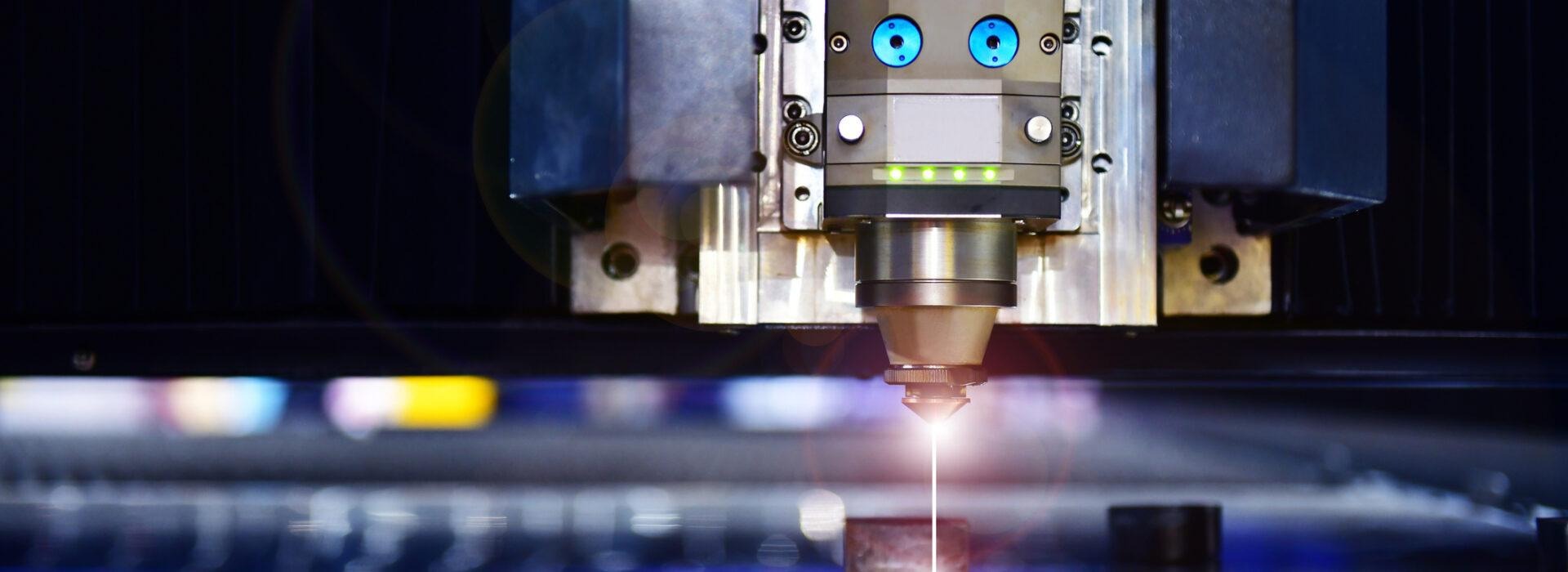
Laser engraving is a highly precise and permanent marking technique widely used in industrial and manufacturing environments. A focused laser beam etches or engraves the surface of the material to create a permanent mark. This process is ideal for materials such as metals, plastics, and ceramics, offering high precision and durability.
Advantages:
- Offers precise, high-resolution marks.
- Suitable for a wide range of materials.
- Ideal for harsh environments as the markings are resistant to wear and corrosion.
- No need for consumables like ink.
2. Dot Peen Marking
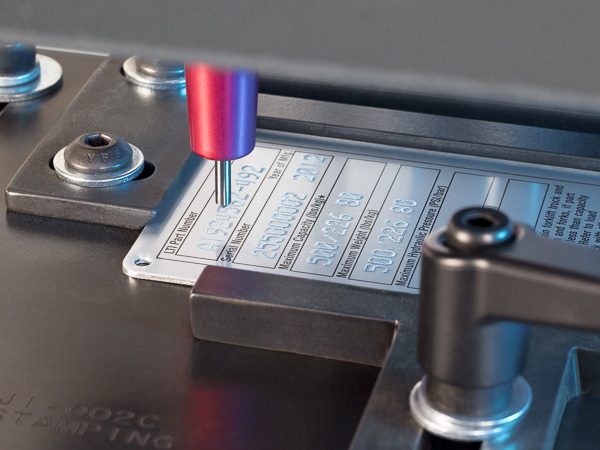
Dot peen marking, also known as micro-percussion engraving, uses a carbide pin to strike the surface of a material, creating a series of dots that form alphanumeric characters, logos, or other designs. It’s a versatile method used in a variety of industries, especially where high durability and permanent identification are essential.
Advantages:
- Produces deep, durable marks that can withstand wear and corrosion.
- Works on a variety of materials, including metals, plastics, and ceramics.
- Great for heavy-duty industrial applications.
- Cost-effective compared to some other engraving methods.
3. Inkjet Marking
Inkjet marking uses ink to print information, such as barcodes, QR codes, text, and logos, onto products. This non-contact engraving method uses high-speed printing to apply marks to various surfaces. Inkjet printers are commonly used for industrial marking in food packaging, automotive, and electronics industries.
Advantages:
- High-speed printing allows for fast production lines.
- Ideal for marking on porous and non-porous surfaces.
- Suitable for short-run productions and variable data marking.
- Easy to apply and cost-effective.
4. Chemical Etching
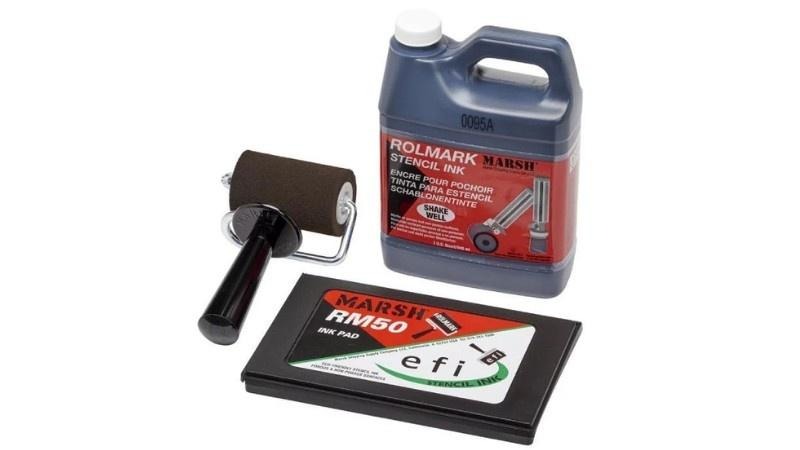
Chemical etching involves the use of a chemical solution to etch a design or text into the surface of a material. The process involves applying a stencil or mask to the part, which is then exposed to a chemical solution that removes material from the exposed areas, creating a permanent mark.
Advantages:
- Produces highly detailed and accurate markings.
- Suitable for delicate or thin materials.
- Ideal for applications where high resolution and detail are needed.
5. Mechanical Engraving
Mechanical engraving uses rotary tools to etch or cut into the surface of materials such as metals, plastics, and glass, often for creating nameplates. This method is commonly used in industrial settings where high precision is essential, and the markings need to be visible, durable, and long-lasting.
Advantages:
- Produces clear and permanent markings.
- Can be used for high-volume production.
- Ideal for creating detailed, intricate designs.
Choosing the Right Engraving Method
The best part marking method depends on several factors, including the type of material, the size of the part, the required durability, and the intended use. For instance, laser engraving is an excellent choice for marking parts that will endure harsh environments, while inkjet engraving might be ideal for temporary or smaller-scale operations. Industrial marking products in Canada offer a wide variety of solutions, ensuring that businesses can choose a method that suits their needs and ensures compliance with industry standards.
Benefits of Effective Part Marking
Effective engraving offers numerous benefits to manufacturers and businesses, including:
- Traceability and Compliance: Proper part marking helps ensure traceability for regulatory compliance, making it easier to track components and meet industry standards.
- Inventory Management: With clear and accurate markings, managing inventory becomes much easier, reducing the chances of errors during stocktaking and minimizing the risk of lost or misplaced parts.
- Product Identification and Differentiation: Engraving helps in differentiating products, especially when multiple similar components are involved. This reduces mix-ups and enhances workflow efficiency.
- Quality Assurance: Engraving helps verify that parts conform to the required specifications, which is vital for maintaining high product quality in competitive markets.
Future Trends in Engraving Technology
As industries evolve and demand for automation increases, part marking technology continues to advance. Laser engraving, for example, is becoming increasingly sophisticated, offering capabilities such as multi-axis marking and integration with automated production lines. Similarly, inkjet marking systems are evolving to provide higher resolution and faster print speeds, while dot peen marking systems are becoming more versatile in handling a wide range of materials.
Conclusion
Part marking is an essential aspect of industrial production that ensures efficiency, safety, and traceability. From engraving and dot peening to inkjet and chemical etching, there is a variety of part marking methods to meet the diverse needs of different industries. Understanding the advantages and applications of each method can help manufacturers make informed decisions, improving product quality and ensuring regulatory compliance.
FAQs:
What is the most durable part marking method?
Laser engraving and dot peen marking are considered the most durable industrial marking methods, offering high resistance to wear and corrosion.
Can part marking be done on all materials?
While most marking methods work on a wide range of materials, some methods, like laser engraving, are better suited for metals, while inkjet engraving is ideal for porous materials.
How do I choose the best engraving method?
Consider factors like material type, part size, required durability, and speed of production. Consulting with an expert can also help determine the best method.
Are part markings permanent?
Yes, most of these methods, like laser engraving, dot peen, and chemical etching, create permanent markings that cannot be easily erased or altered.
How do industrial marking products enhance efficiency?
Industrial marking products help with product identification, inventory management, and quality control, significantly enhancing workflow efficiency and minimizing errors.
What industries benefit the most from engraving?
Industries such as automotive, aerospace, electronics, food packaging, and medical devices rely heavily on engraving for traceability, identification, and compliance.
Is engraving cost-effective for small manufacturers?
Yes, methods like inkjet printing and dot peen marking are cost-effective options for small manufacturers, offering efficient solutions for both low and high-volume production.
By adopting the right part marking methods, manufacturers can streamline their operations, enhance product quality, and ensure compliance with industry standards, driving success in an increasingly competitive market.