

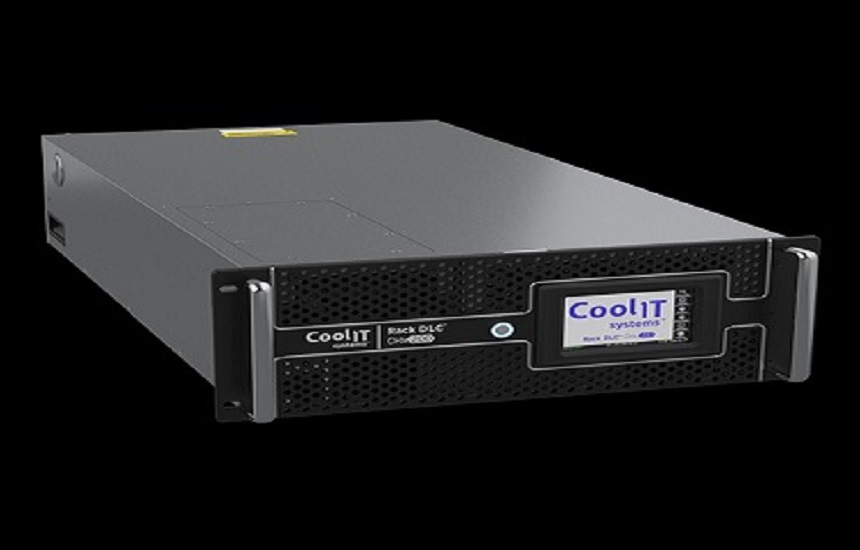
Modern computing environments are evolving at a rapid pace. As processing power increases and workloads become more demanding, traditional air-based cooling methods are struggling to maintain thermal efficiency. High-density servers, AI-driven applications, and advanced computing clusters generate significant heat, making liquid cooling a practical and effective solution. At the center of this transformation are cooling distribution units, often referred to as CDUs. These systems play a vital role in maintaining stable temperatures, managing coolant circulation, and ensuring reliable operation across liquid-cooling infrastructure. As a result, the demand for advanced coolant distribution unit technology continues to grow across modern facilities.
Table of Contents
Understanding Cooling Distribution Units
What Are Cooling Distribution Units?
Cooling distribution units are specialized systems that regulate and distribute coolant in liquid cooling environments. They act as the operational bridge between facility water systems and sensitive IT equipment. A reliable data center CDU typically manages coolant temperature, pressure, filtration, and flow control. By maintaining consistent circulation, these units help remove excess heat from processors, GPUs, and other high-performance components.
Unlike conventional cooling approaches, liquid cooling transfers heat more efficiently because liquids absorb thermal energy better than air. This allows systems to operate at higher performance levels without overheating.
Core Functions of CDU Units
Modern CDU units are designed with several integrated functions, including:
- Heat exchange management
- Coolant flow regulation
- Pressure stabilization
- Temperature monitoring
- Leak detection support
- Redundant pump operation
These features help ensure system reliability while reducing the risk of thermal disruptions.

Why Liquid Cooling Is Expanding Rapidly?
Rising Heat Density in Computing Environments
Advanced computing technologies generate more heat than previous generations of hardware. Artificial intelligence, machine learning, and high-performance processing require systems capable of handling continuous, intensive workloads. Traditional cooling systems often struggle to manage this thermal output efficiently. Liquid cooling provides a more direct and effective way to capture and remove heat.
Energy Efficiency Expectations
Energy optimization has become a major operational priority. Liquid cooling systems can reduce power consumption associated with large-scale thermal management. This improvement contributes to lower operational costs and better sustainability performance. Because cooling distribution units improve coolant control and circulation efficiency, they support broader energy-saving goals within modern infrastructure environments.
Support for Scalable Infrastructure
Scalability is another reason organizations are transitioning toward liquid cooling. As computational demand increases, facilities require cooling solutions that support future growth without major redesigns. Flexible CDUs help organizations expand cooling capacity while maintaining thermal consistency across evolving workloads.

Our advanced cooling distribution solutions intelligently manage thermal loads, ensuring consistent performance across complex environments.
How Cooling Distribution Units Improve System Reliability
Stable Temperature Regulation
Temperature fluctuations can reduce equipment performance and increase hardware wear. A properly engineered coolant distribution unit maintains stable coolant temperatures, helping systems operate within ideal thermal ranges. Consistent cooling reduces the likelihood of unexpected shutdowns and improves operational continuity.
Reduced Hardware Stress
Excessive heat places strain on electronic components. Over time, thermal stress may shorten equipment lifespan and increase maintenance requirements. Advanced CDU units help protect sensitive hardware by maintaining controlled operating conditions and reducing long-term performance degradation.
Improved Redundancy and Failover Support
Many modern liquid cooling systems incorporate redundant pumps and monitoring systems within the CDU framework. This redundancy helps maintain coolant circulation even if one component experiences failure. Such reliability is especially important in mission-critical computing environments where downtime can create operational disruption.
The Role of Data Center CDU Systems
Supporting High-Density Rack Environments
High-density server racks require targeted cooling strategies. A data center helps distribute coolant efficiently to multiple racks while maintaining balanced thermal performance. This capability is particularly important for AI processing clusters and GPU-intensive applications where thermal loads can become extreme.
Integration With Direct-to-Chip Cooling
Direct-to-chip cooling technologies deliver coolant directly to heat-generating components. These systems rely heavily on efficient cooling distribution units to maintain accurate flow rates and thermal balance. Without reliable coolant management, direct liquid cooling systems cannot achieve optimal performance.
Monitoring and Intelligent Controls
Modern CDU technology often includes intelligent monitoring systems that track pressure, temperature, and flow metrics in real time. These insights help facility operators identify inefficiencies early and maintain peak cooling performance across the environment.
Key Benefits of Cooling Distribution Units
Enhanced Thermal Performance
Liquid cooling supported by reliable CDUs removes heat more effectively than traditional airflow systems. This allows processors and servers to operate under demanding workloads with reduced thermal risk.
Better Energy Optimization
Improved heat transfer efficiency often reduces dependence on large air-conditioning systems. This contributes to lower energy usage and improved operational efficiency.
Space Efficiency
Liquid cooling systems can reduce the need for oversized airflow infrastructure in Canada, allowing facilities to make better use of available space. Because liquid cooling relies less on high-speed fans, overall operational noise levels may decrease significantly.
Future-Ready Infrastructure
As computing technology evolves, adaptable coolant distribution unit systems provide flexibility for future upgrades and increased processing requirements.
Challenges and Considerations
System Design Complexity
Liquid cooling environments require careful planning and engineering. Proper integration of CDU units is essential for maintaining consistent coolant circulation and preventing operational issues.
Maintenance Requirements
Routine maintenance is necessary to ensure coolant quality, pump reliability, and filtration performance. Regular inspections help maintain system efficiency over time.
Initial Investment
Although liquid cooling systems can improve long-term efficiency, upfront installation costs may be higher than traditional cooling methods. However, many organizations consider this investment worthwhile because of improved performance and reduced operational strain.
The Future of Cooling Distribution Units
Growing Adoption Across Industries
As computing demand continues to rise, industries are adopting liquid cooling technologies at an accelerated pace. Advanced analytics, AI development, cloud services, and edge computing environments increasingly depend on efficient thermal management systems. This trend is driving broader adoption of modern cooling distribution units.
Smarter Cooling Management
Emerging CDU technologies are becoming more intelligent through predictive monitoring and automated controls. These advancements help optimize coolant usage and improve operational visibility.
Sustainability Goals
Energy-conscious organizations are prioritizing infrastructure solutions that support environmental efficiency. Liquid cooling systems paired with advanced data center CDU technology can help reduce overall cooling energy requirements while supporting sustainability initiatives.

Conclusion
As computing environments become more powerful and heat-intensive, reliable cooling distribution units are becoming essential for maintaining operational stability, energy efficiency, and long-term infrastructure performance. Businesses seeking dependable and scalable infrastructure solutions increasingly recognize the value of advanced cooling technologies from providers such as CoolIT Systems. For organizations planning future-ready infrastructure, now is the ideal time to choose expert cooling system solutions that support performance, efficiency, and long-term operational confidence.
FAQs
What is the primary purpose of a cooling distribution unit?
A cooling distribution unit manages and circulates coolant throughout a liquid cooling system. It helps maintain stable temperatures, regulates pressure, and ensures efficient heat removal from high-performance equipment.
How do CDUs improve liquid cooling efficiency?
CDUs improve efficiency by controlling coolant flow rates, maintaining proper temperature balance, and optimizing heat exchange performance. Efficient coolant management also supports better hardware reliability and long-term operational stability.
Why are data center CDU systems becoming more important?
A data center CDU is increasingly important because modern computing environments generate significantly higher heat loads than traditional systems. AI processing, machine learning, and high-density servers require advanced cooling methods to maintain stable operating temperatures.
Are coolant distribution units suitable for scalable infrastructure?
Yes, a modern coolant distribution unit is designed to support scalable environments. These systems can adapt to expanding infrastructure requirements while maintaining efficient coolant circulation and thermal performance.
What should organizations consider before installing CDU units?
Before implementing CDU units, organizations should evaluate infrastructure compatibility, coolant requirements, maintenance planning, and long-term scalability goals. Proper system design and professional integration are important for achieving optimal thermal efficiency and operational reliability.