
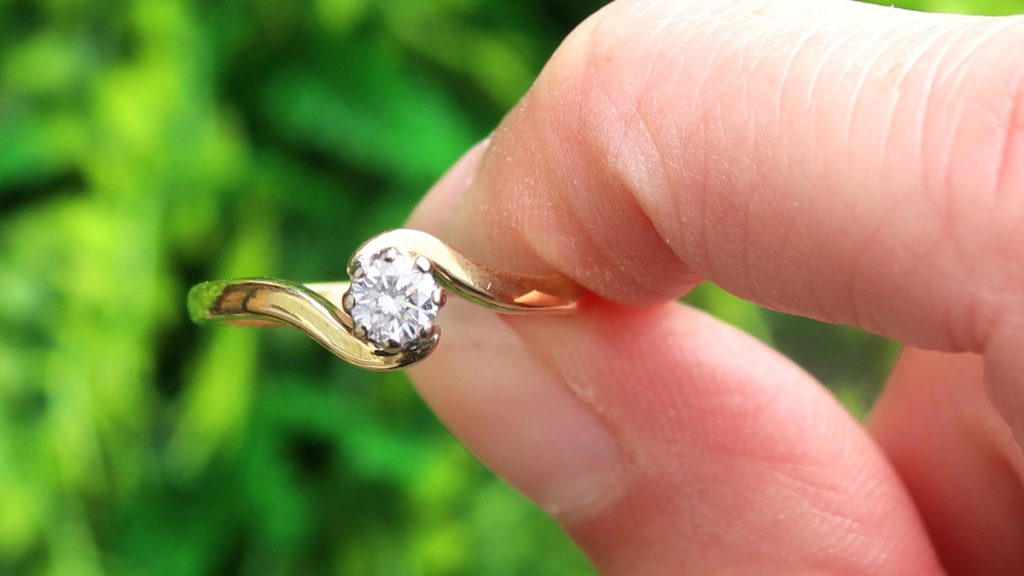
When it comes to choosing the perfect engagement ring, especially Hatton Garden engagement rings, several factors need meticulous consideration. This decision is both exciting and significant, as it symbolises your commitment and love. Hatton Garden has long been renowned for its exceptional craftsmanship and exquisite diamond engagement rings. To ensure you make the best choice, here are ten critical factors to guide you:
Table of Contents
- 1. Understanding the 4 Cs of Diamonds
- 2. Choosing the Right Metal for the Band
- 3. Ring Style and Setting
- 4. The Importance of Certification
- 5. Customisation Options
- 6. Budget Considerations
- 7. Choosing the Right Size
- 8. Understanding the Warranty and Aftercare
- 9. Ethical Considerations
- 10. Researching the jeweller
- Frequently Asked Questions
1. Understanding the 4 Cs of Diamonds
The “4 Cs” of diamonds are a set of criteria used to evaluate and grade the quality and value of diamonds. These four factors are Cut, Colour, Clarity, and Carat Weight. Each of these characteristics plays a significant role in determining the overall beauty and price of a diamond.
Cut
The Cut of a diamond refers to how well it has been crafted from its rough form into a finished stone/gemstone. It is considered the most crucial of the four Cs because it directly impacts the diamond’s brilliance and sparkle. A well-cut diamond reflects light internally from one facet to another, then disperses it through the top of the stone, creating maximum brilliance. The precision of the cut affects how light interacts with the diamond, so even with excellent colour and clarity, a poorly cut diamond will appear less vibrant. Cuts are graded on a scale from Excellent to Poor, with an Excellent cut maximising the diamond’s potential to shine.
Colour
Contrary to what it might seem, the “colour” of a diamond measures the absence of colour. The most valuable diamonds are those that are completely colourless, as they allow the most light to pass through, enhancing their sparkle. Diamonds are graded on a colour scale from D (completely colourless) to Z (having a noticeable yellow or brown tint). However, some diamonds with distinct colours, known as “fancy colours” (like blue, pink, or yellow), can be highly prized, though they fall outside the standard colour grading scale.
Clarity
Diamond clarity refers to the assessment of a diamond’s internal and external imperfections, known as inclusions and blemishes. Clarity is one of the key factors in determining a diamond’s overall quality and value. The fewer imperfections a diamond has, the higher its clarity grade, which can range from “Flawless” (no inclusions or blemishes visible under 10x magnification) to “Included” (inclusions and/or blemishes are easily noticeable). While high clarity is desirable, many inclusions are microscopic and do not affect the beauty of the diamond to the naked eye, allowing for a balance between clarity and other factors like size and colour.
Carat
A diamond carat is a unit of measurement that quantifies the weight of a diamond, rather than its size. One carat equals 0.2 grams. Carat weight significantly impacts a diamond’s price; as carat weight increases, the price per carat also tends to rise exponentially, largely because larger diamonds are rarer. While carat weight is a crucial factor in determining a diamond’s value, it should be considered alongside the other three Cs—cut, colour, and clarity—to fully appreciate a diamond’s overall quality and appearance.
2. Choosing the Right Metal for the Band
The metal of the engagement ring band can significantly affect its appearance and durability. When choosing a metal for a diamond ring band, popular options include platinum, white gold, yellow gold, rose gold, and two-tone metal.
White Gold
White gold is a popular choice for diamond ring bands, offering a sleek and modern aesthetic. It is an alloy typically made by combining gold with metals such as palladium or nickel, which give it its characteristic silvery-white hue. White gold is often plated with rhodium to enhance its shine and durability, though this plating may need periodic reapplication. It complements the brilliance of diamonds exceptionally well, making the stones appear even more dazzling. Its neutral colour is versatile, pairing effortlessly with various diamond cuts and other jewellery pieces.
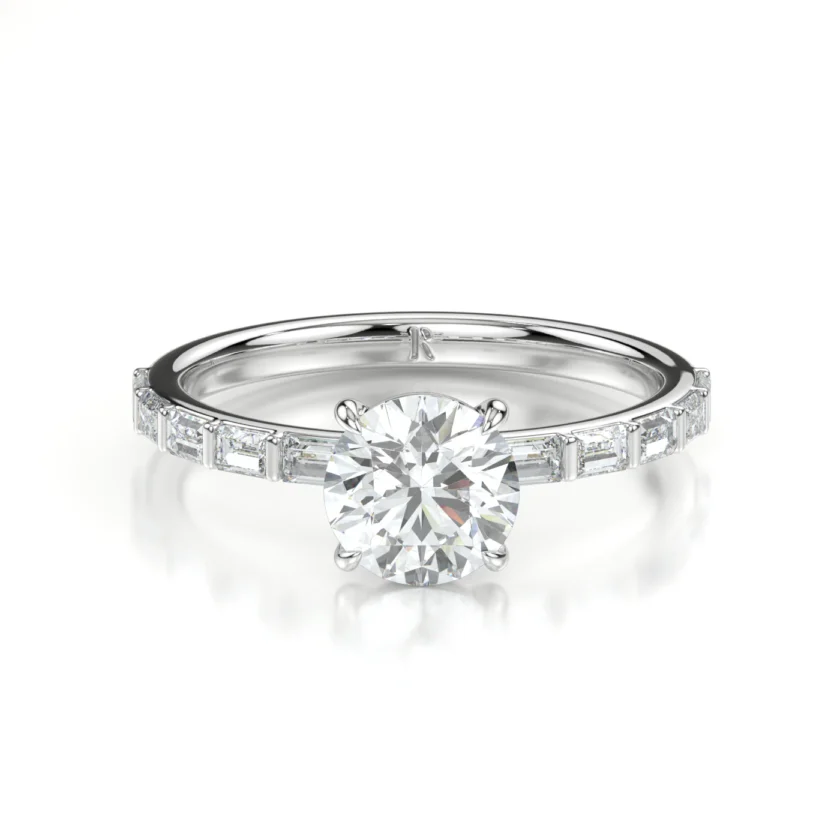
Amina Engagement Ring
Presenting the Amina Engagement Ring, a masterpiece adorned with 2mm emerald side stones intricately set along the band, all crafted with precision in our Hatton Garden workshop.
Yellow Gold
Yellow gold is the most traditional and classic option for diamond ring bands, revered for its warm and timeless appeal. Made from pure gold alloyed with metals like copper and zinc, its rich, golden hue has been associated with luxury and elegance for centuries. Yellow gold bands beautifully complement warm-toned diamonds and gemstones, creating a striking contrast that highlights the stone’s natural colour. This metal is also known for its hypoallergenic properties and resistance to tarnishing, making it a durable and low-maintenance choice for those who appreciate a classic, vintage aesthetic.
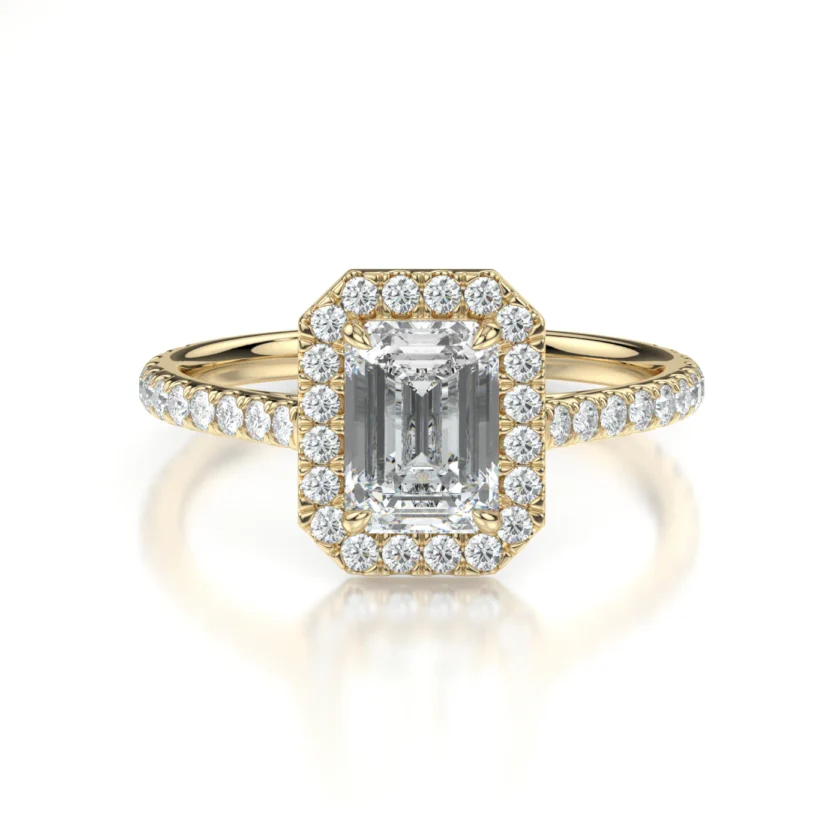
Arlet Engagement Ring
Presenting the Arlet Engagement Ring, a mesmerising halo masterpiece adorned with a delicate 2mm diamond band. Meticulously crafted with precision in our Hatton Garden workshop, this ring emanates timeless elegance, symbolising enduring love and sophisticated beauty.
Rose Gold
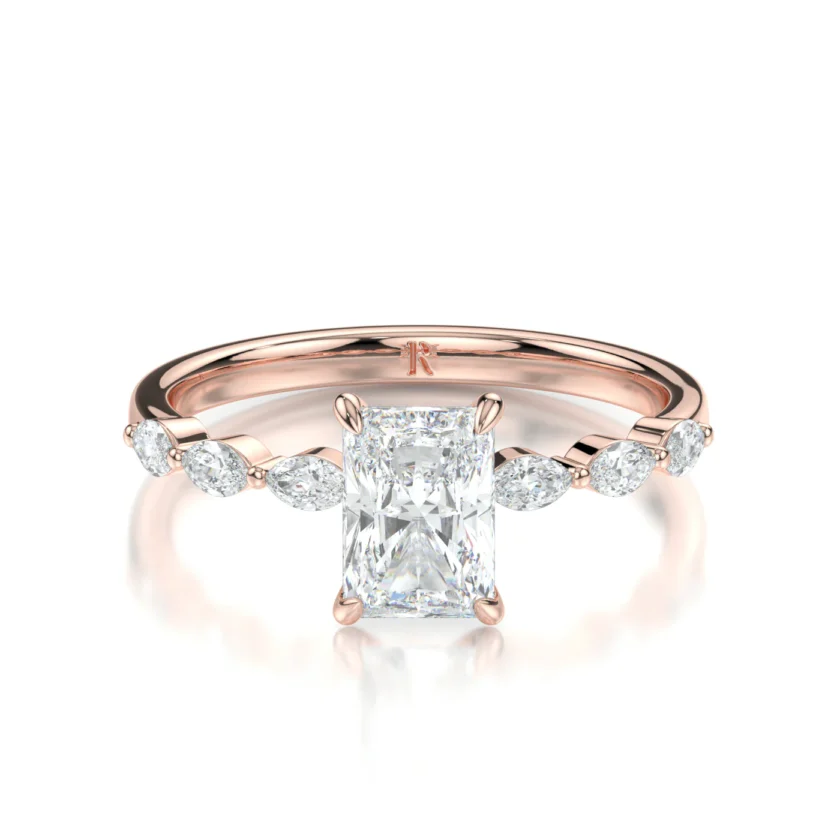
Rose gold is a romantic and trendy choice for diamond ring bands, known for its distinctive pinkish-red hue. This unique colour is achieved by alloying gold with copper, which adds a warm, rosy tint to the metal. Rose gold bands offer a softer, more romantic look compared to other metals, and they are especially popular in vintage and bohemian-style designs. The metal’s warm tones complement a wide range of skin tones, making it a versatile option. Additionally, rose gold is durable and doesn’t tarnish over time, although the colour can deepen slightly with age, adding to its character and charm.
Millie Engagement Ring
Introducing the Millie Engagement Ring – a captivating masterpiece adorned with a uniquely oval-designed 2mm band. Meticulously crafted in our Hatton Garden workshop, this ring radiates timeless elegance and unparalleled artistry.
Platinum
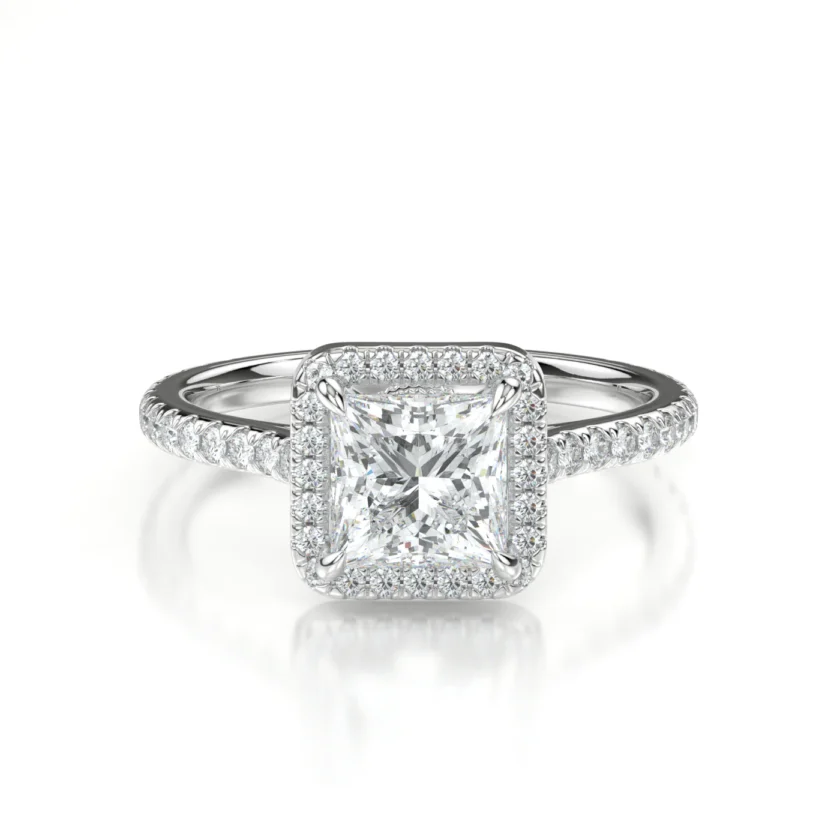
Platinum is the epitome of luxury when it comes to diamond ring bands, prized for its rarity, purity, and durability. It is a dense, heavy metal with a naturally white sheen that doesn’t fade or tarnish over time, making it an excellent choice for those seeking a low-maintenance option. Platinum’s strength ensures that it securely holds diamonds and other precious stones in place, offering peace of mind for daily wear. Its hypoallergenic properties make it ideal for those with sensitive skin. While platinum is more expensive than other metals, its long-lasting nature and sophisticated appearance make it a worthwhile investment.
Courteaux Engagement Ring
Introducing the Courteaux Engagement Ring – a breathtaking masterpiece adorned with a captivating diamond halo design and a distinctive grain-set hidden bridge. Meticulously crafted in our Hatton Garden workshop, this ring stands as the epitome of timeless beauty and unparalleled craftsmanship.
Two-Tone
Two-tone rings offer a unique and versatile option, combining two different metals in one band to create a striking contrast and visual interest. Often, these rings feature combinations like yellow gold with platinum, or rose gold with platinum, allowing for a blend of traditional and contemporary styles. Two-tone bands provide the opportunity to match the ring with a variety of other jewellery pieces, as the different metals can complement various accessories. This design choice also allows for greater customization, making it possible to tailor the ring to individual tastes and preferences. The duality of metals in a two-tone ring can symbolise unity and balance, making it a meaningful option for couples seeking a distinctive and personalised ring.
3. Ring Style and Setting
Certainly! When it comes to choosing a ring, whether it’s for an engagement, wedding, or just a special occasion, the style and setting are crucial elements that can dramatically influence the ring’s overall look and feel. Here’s a detailed look at these two aspects:
1. Solitaire Setting
- Description: Features a single stone, usually a diamond, held in place by a minimalistic band.
- Pros: Classic and timeless; highlights the stone’s brilliance; versatile.
- Ideal For: Those who prefer a simple, elegant look.
2. Halo Setting
- Description: Encircles the central stone with a ring of smaller stones, typically diamonds.
- Pros: Enhances the central stone’s size and sparkle; adds extra glamour.
- Ideal For: Those who want to emphasise the central stone and enjoy a bit of added sparkle.
3. Three-Stone Setting
- Description: Features three stones, often representing the past, present, and future.
- Pros: Symbolic; can be customised with different types or sizes of stones.
- Ideal For: Those who appreciate meaningful designs and want a more elaborate look.
4. Pave Setting
- Description: Small stones are set closely together on the band, creating a “paved” look.
- Pros: Adds a lot of sparkle and enhances the overall design; can be combined with other settings.
- Ideal For: Those who love a lot of shine and intricate detailing.
5. Channel Setting
- Description: Stones are set in a row between the band’s metal channels, with no prongs or bezels visible.
- Pros: Smooth, modern look; stones are well-protected; great for adding sparkle without extra height.
- Ideal For: Those who prefer a sleek, continuous line of stones.
6. Bezel Setting
- Description: The stone is encircled by a metal band or rim, which holds it securely in place.
- Pros: Provides excellent protection for the stone; modern and secure; can be low-profile.
- Ideal For: Those who lead an active lifestyle or prefer a contemporary style.
7. Vintage Setting
- Description: Incorporates intricate designs reminiscent of past eras, often featuring detailed filigree work or engraved patterns.
- Pros: Unique and detailed; often includes intricate metalwork and old-world charm.
- Ideal For: Those who appreciate antique or retro styles.
8. Split Shank Setting
- Description: Features a band that splits into two or more parts as it approaches the stone, often with added detail like diamonds or engraving.
- Pros: Adds visual interest and can make the ring look more elaborate; can be customised with different elements.
- Ideal For: Those who want a ring with distinctive design elements and extra flair.
9. Twisted Band Setting
- Description: The band twists around the stone, creating a dynamic, flowing look.
- Pros: Adds a touch of modern sophistication; often pairs well with various stone shapes.
- Ideal For: Those who like contemporary designs with a bit of movement.
10. Cathedral Setting
- Description: Features arches or “cathedrals” that rise above the band to hold the stone in place, creating a dramatic, elevated look.
- Pros: Elevates the stone, allowing for more light to enter; classic and elegant.
- Ideal For: Those who want a ring with a traditional feel and a bit of height.
Each setting can dramatically change the look and feel of the ring, so it’s worth considering what appeals most to your taste and lifestyle. Whether you’re drawn to classic elegance or modern innovation, there’s a setting that’s perfect for you!
4. The Importance of Certification
A diamond certification is crucial in ensuring the authenticity and quality of a diamond, offering buyers confidence in their purchase. Certification, typically provided by reputable gemological laboratories like the Gemological Institute of America (GIA) or the International Gemological Institute (IGI), involves a thorough assessment of a diamond’s characteristics, including its cut, colour, clarity, and carat weight. This detailed evaluation not only confirms the diamond’s attributes but also protects buyers from potential fraud and misrepresentation. With a certification, consumers can make informed decisions, knowing that the diamond they are purchasing has been objectively and expertly evaluated. This transparency helps establish a fair market value and enhances the overall trust and satisfaction in the transaction.
5. Customisation Options
Many Hatton Garden Jewellers offer customisation services, allowing you to design a unique engagement ring. Customisation in diamond rings offers a unique opportunity to create a piece that perfectly reflects personal style and significance. From selecting the diamond’s cut, clarity, colour, and carat weight to choosing the metal type for the band—be it platinum, gold, or rose gold—each decision contributes to the ring’s overall aesthetic and value. Furthermore, customisation allows for intricate detailing such as bespoke engraving, custom settings, or adding complementary gemstones to enhance the design. Whether you’re opting for a classic solitaire or a more elaborate design with side stones, customisation ensures that your diamond ring is a one-of-a-kind symbol of your taste and commitment.
6. Budget Considerations
Determine your budget before shopping for diamond engagement rings. While it’s important to select a beautiful ring, staying within your budget ensures you make a financially sound decision. Setting a budget helps narrow down choices, allowing for a more focused search. Additionally, consider the value of investing in a reputable jeweller who offers certification and guarantees. By understanding and adhering to your budget, you can make a well-informed decision that maximises both the beauty and value of the diamond ring. Hatton Garden engagement rings offer a range of options to suit different budgets.
7. Choosing the Right Size
The size of the ring is crucial for ensuring a perfect fit. Have your partner’s ring size measured by a professional jeweller. This ensures comfort and avoids resizing issues after purchase. It’s important to consider the width of the band, as wider bands may require a slightly larger size for a comfortable fit.
8. Understanding the Warranty and Aftercare
Ensure that the jewellers offer a warranty and aftercare services. This includes cleaning, resizing, and repairs. A good warranty provides peace of mind and ensures the longevity of your Hatton Garden engagement rings.
9. Ethical Considerations
Many buyers prefer ethical diamond engagement rings that are sourced responsibly. Verify that the diamonds are conflict-free and ethically mined. Some jewellers provide certifications or details about the diamond’s origin.
10. Researching the jeweller
Before making a purchase, research the jewellery’s reputation. Look for reviews, ask for recommendations, and visit their store to assess their customer service and professionalism. Hatton Garden is renowned for its high-quality jewellery, but ensuring you choose a reputable vendor is essential.
Frequently Asked Questions
What makes Hatton Garden engagement rings special?
Hatton Garden is renowned for its exceptional craftsmanship and high-quality diamonds. The area has a long-standing tradition of excellence in jewellery making, offering bespoke and exquisite options.
How can I determine the right cut for my diamond?
The cut should enhance the diamond’s natural brilliance. Consider your partner’s style preferences and choose a cut that complements their taste. Common cuts include round brilliant, princess, and emerald.
Are there any tips for buying a diamond online?
When buying a diamond online, ensure the retailer provides detailed information and certification. Check customer reviews and verify the return policy to ensure a satisfactory purchase.
What should I know about diamond certifications?
Diamond certifications provide a professional assessment of the diamond’s quality based on the 4 Cs. Ensure the certificate is from a reputable gemological institute.
Can I customise a Hatton Garden engagement ring?
Yes, many Hatton Garden jewellers offer customization options, allowing you to select the diamond, setting, and metal to create a personalised engagement ring.